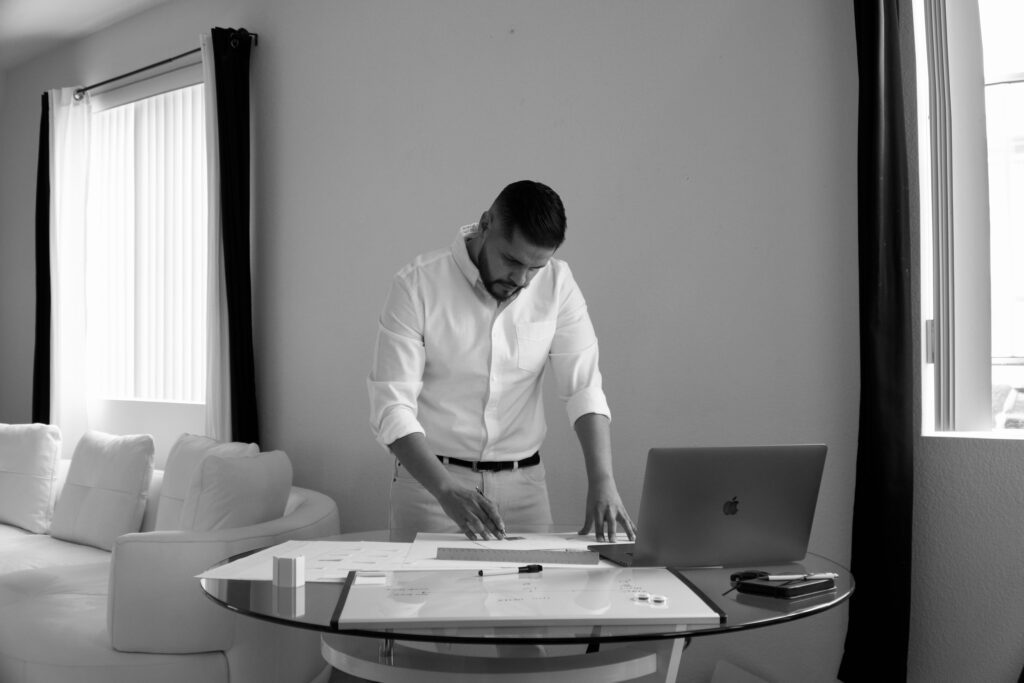
Jovani Miguel
is a multidisciplinary designer with
extensive experience in different fields of design.
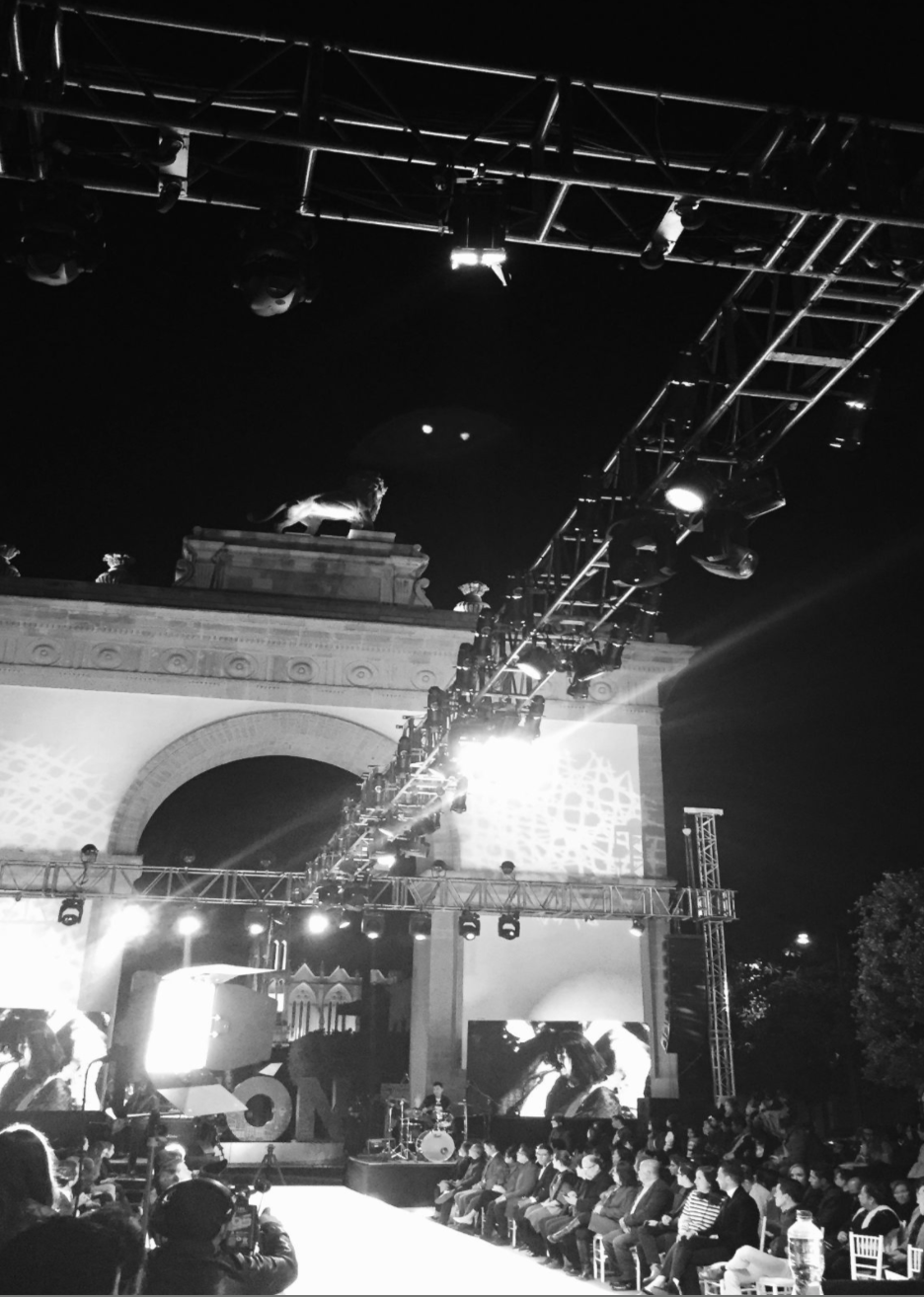
Drawing from a background in high-end garments,
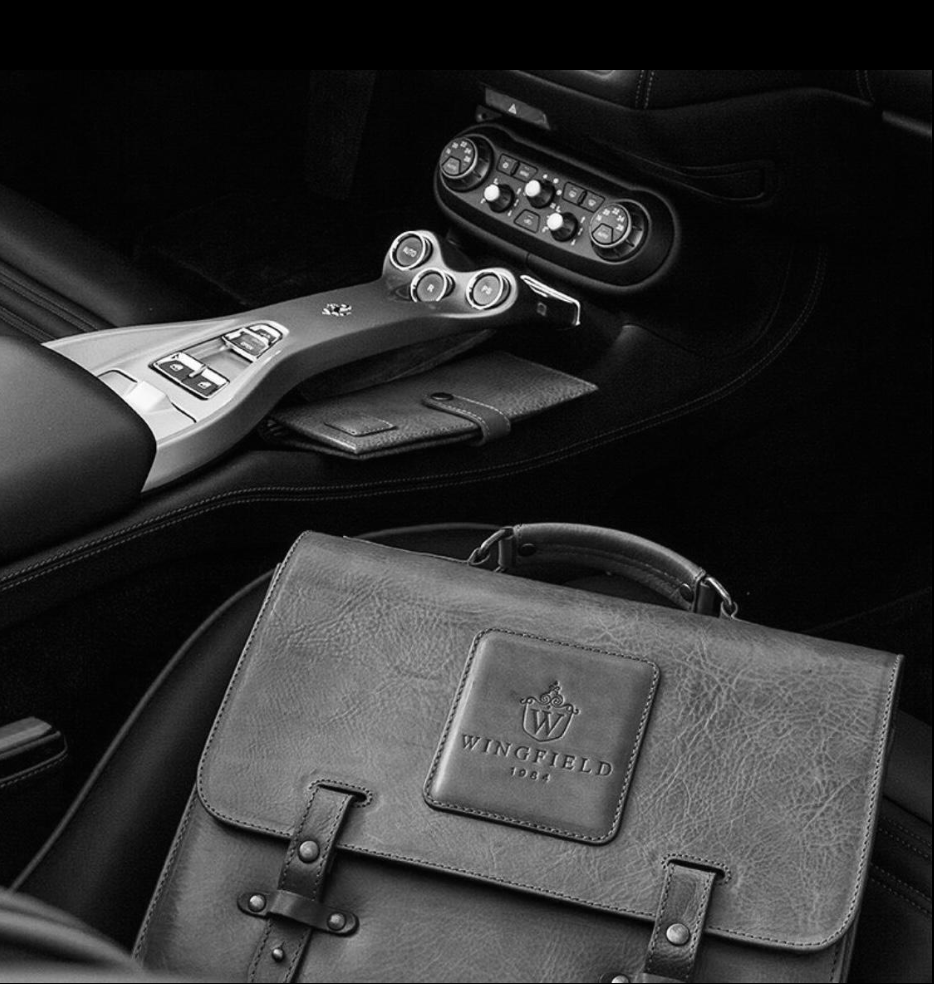
automotive ergonomics, industrial and interior design,
digital media environments, venues, his finesse applies a
holistic understanding. Working from contemporary
fashion to automotive with Mercedes Benz, from
promoting boutique hospitality to investing in residential
projects. He learned to channel his imagination into
design. Furthermore, his exploration of
Neuro-Architecture and work in Sleep Medicine deepens
his talent — translating neuroscience into architectural
design.
A LETTER FROM THE CREATIVE DIRECTOR
Perfection is a moving target. For me, it’s important to prioritize what architectural design makes you feel? People can forget details of how a place looks, but hardly anyone forgets how it made you feel or how it does not make you feel. I thrive to amplify potential for feeling in our studio.
While Artificial Intelligence will surely make important contributions to the evolution of design, I believe our future will continue to be imagined by individuals, like Bjarke Ingels or Neri Oxman. Individuals who dig deeply into their minds and create quarries to unearth answers yet to be indexed on the internet. Will AI surpass human intelligence? We might not as Siri or ChatGPT do; know everything, but as our ancestors proved, we will imagine anything!
People won’t find our name plastered everywhere, but they’ll hear it conversations in wine caves or private estates.
Disegno is an Italian word that translates to “design” or “drawing,” but in the context of the Renaissance, it refers to both the conceptual design and the formal execution of the drawing. Embodying the Artist’s ability to invent and create it.
Some theorists wrote of the disegno interno, the artist’s ideal visualization of an object or scene. From the Renaissance this ability to invent and execute has placed the artist on a footing with the ultimate Creator, and the means of raising the status from craft to Art. In the Renaissance of Italy, the dispute arose of partisans like Michelangelo.